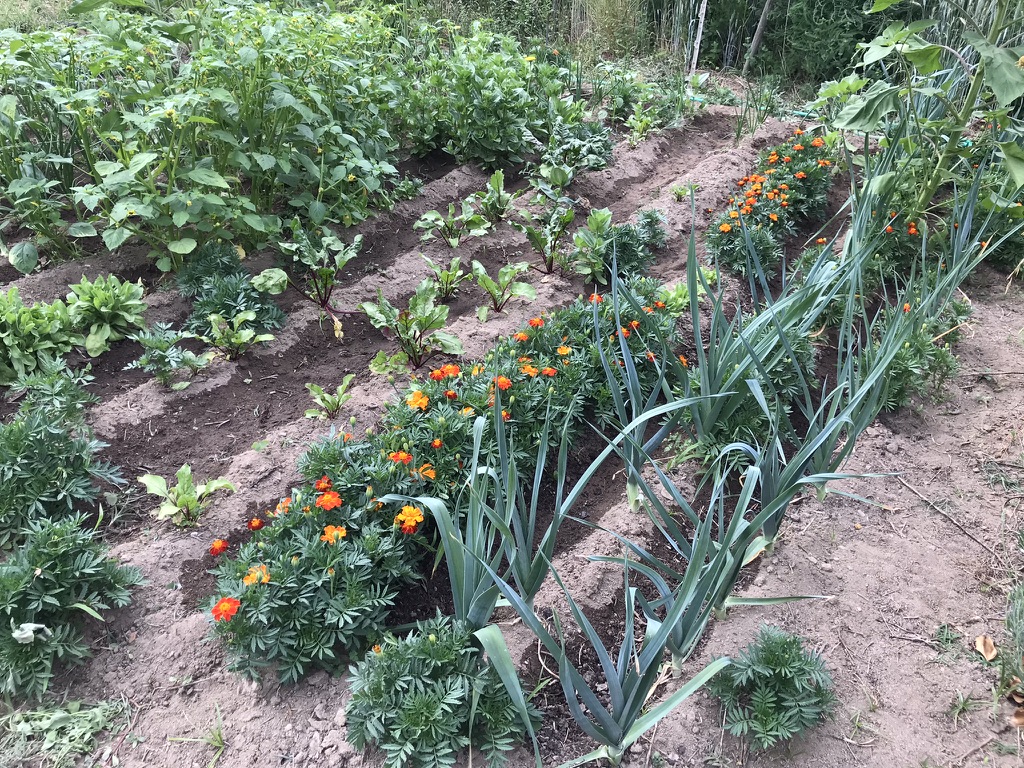
May in a warm dry climate is when the garden shifts into full summer mode. The cool season crops are winding down, the soil is warm, and the plants that have been waiting — courgettes, cucumbers, basil, beans — can finally go in properly. This is the month the garden starts to look like a summer garden.
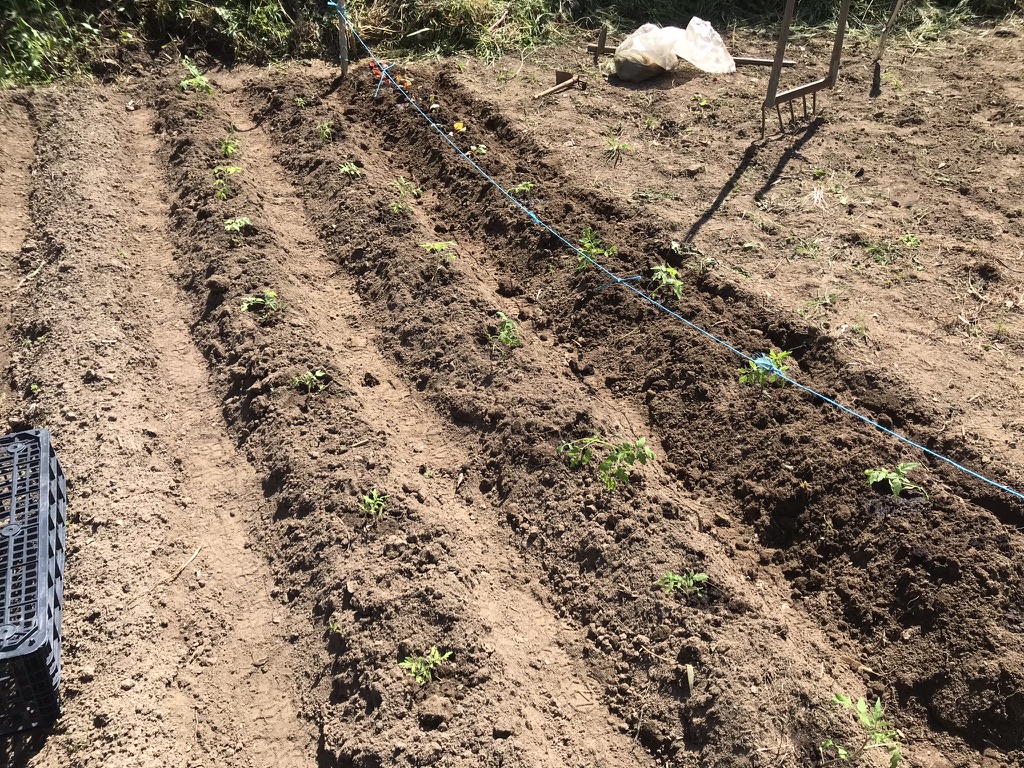
If you planted tomatoes and aubergines in April, they will be establishing now. May is the time to plant out everything that was still too tender last month, and to sow a few summer crops directly. The warm dry season in a Mediterranean climate (Köppen Csa) is well underway — and from now on, watering is the central task.
Understanding Climate Zones
As with all our seasonal posts, the timing of sowing and planting depends on where you garden. May looks very different depending on your climate.
Mild winter climate — USDA Zone 9–10, Köppen Csa
This is the climate of the Serra de Monchique, the western Algarve, southern Spain, coastal Italy, Southern California and southwestern Australia. Winters are mild and wet, summers are warm and dry. Spring comes early in this climate — warm season crops can go out well before gardeners in cooler regions would consider it safe.
Cooler temperate climate — USDA Zone 7–8, Köppen Cfb
This includes the Netherlands, Belgium, the UK, northern France and northern Spain highlands. Winters are cold and summers are cool and wet. Spring arrives later and the outdoor growing season is shorter — last frost risk lingers into May in many areas.
What May means in the Serra de Monchique
May is the last month before the summer heat locks in. Nights are mostly warm now, but in the higher serra they can still occasionally dip below 10°C — sometimes for a week or two at a stretch. This matters most for direct sowing outdoors: warm-season seeds need warm soil to germinate reliably, and a cold spell is a good reason to wait. Established seedlings transplanted from trays handle the cooler nights better, though a cold night right after planting out will slow them down.
The cool season crops are at different stages. Onions and carrots sown in March are still growing — this was a late spring and they are slow growers that will continue through the month. Spinach and rocket are a different story: day length in the Algarve passed 12 hours back in mid-March and has been climbing since. If spinach and rocket have not bolted yet, they will soon. Harvest what you can and free up those beds. Some lettuces in a sheltered spot may still be going strong — if yours are, enjoy them.
Irrigation is no longer optional. Set your system running on a regular schedule now and check it before June arrives.
What to sow directly in May
| Crop | Notes |
|---|---|
| Beans | Soil is warm enough for fast, reliable germination — both climbing and dwarf varieties |
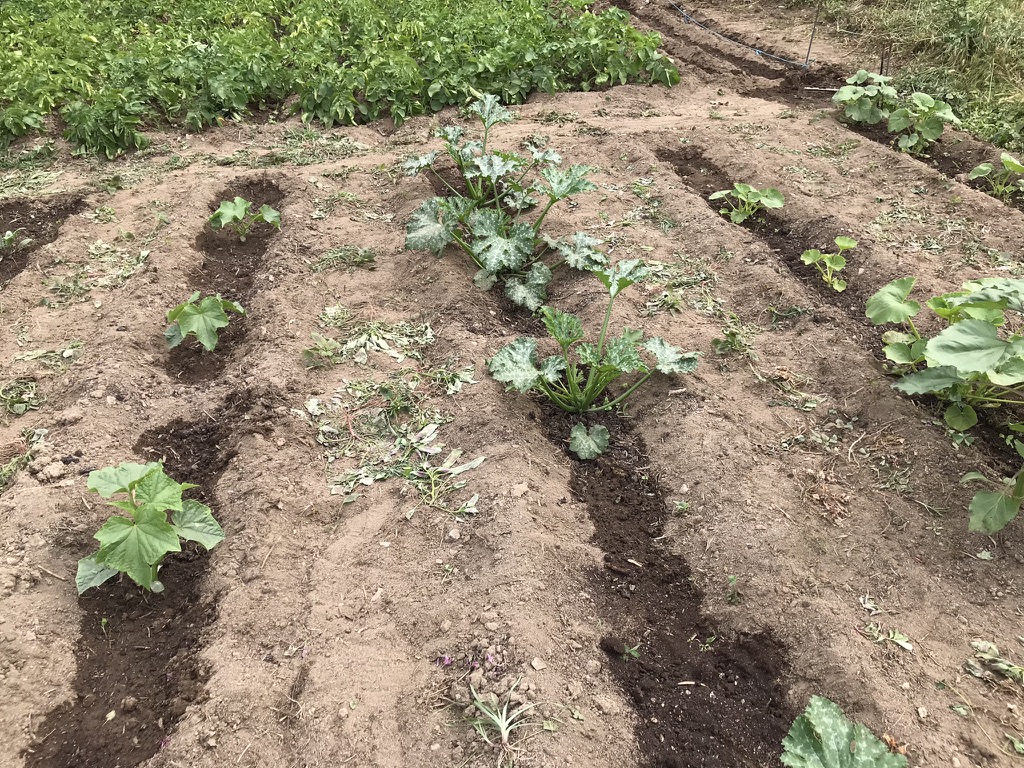
| Courgettes | Can be sown directly now that cold nights are mostly past — or transplant from trays started in April |
| Squash and pumpkins | Direct sow or transplant — they establish fast in warm soil |
| Basil | Days are now long enough for basil to develop properly — sow directly or in trays |
| Radishes | Fast gap-filler — ready in 3 to 4 weeks, useful between slower crops |
| Sweet corn | Sow in blocks, not rows — corn is wind-pollinated and needs neighbouring plants close by to set cobs reliably |
Check soil temperature before direct sowing warm-season crops. If nights have been cold recently, wait — a cold period here can last a week or two, and cold soil will delay germination or cause seed to rot.
What to start in trays in May
| Crop | Notes |
|---|---|
| Leeks | Sow in trays now for autumn planting — they are slow and benefit from an early start |
| Chard | Start now for a late summer and autumn harvest |
What to transplant from trays or buy as seedlings
May is the second planting window of the warm season — and in some ways the easier one, because cold nights are much less frequent.
| Crop | Notes |
|---|---|
| Courgettes | Transplant from trays started in April — they grow fast and will produce within weeks |
| Cucumbers | Go out now with confidence — they love the warmth and establish quickly |
| Squash and pumpkins | Give them space — these are vigorous plants that will spread |
| Basil | Transplant from trays or buy seedlings — plant near tomatoes for a classic combination |
| Peppers and chillies | If not already out, plant now — they respond well to the long days of May and June |
| Sweet potatoes | Plant slips now — they need a long warm season and May is the right moment |
Where to find seedlings: Garden centres and agricultural coops in the western Algarve are still well stocked through May. The São Teotónio market in early May is worth a visit for any warm season crops you have not yet sourced.
Your May shopping list — free download
Heading to the garden centre or market? Download and print this free checklist so you know exactly what to look for this month — what to buy as seedlings, what to sow directly and what to start in trays.
👉 Download the May Garden Shopping List (PDF)
What to watch in May: irrigation and mulch
Two tasks define May more than any other: irrigation and mulching. If you have not already set your irrigation running on a regular schedule, do it now. Young transplants need consistent moisture to establish, and the warm dry climate means soil dries fast.
Mulch matters this month too. A layer of straw or dry grass clippings around transplanted seedlings keeps the soil cool and moist and reduces how often you need to water. In the Serra de Monchique, mulching from May onwards makes a real difference to how well summer crops perform through the dry months ahead.
A note on summer salad leaves
With days well past 12 hours by May, heat-sensitive varieties of lettuce, spinach and rocket will bolt quickly. If you want salad leaves through summer, look for varieties specifically bred for heat tolerance — they exist and are worth seeking out. Standard varieties sown now are likely to bolt before they give you much. Chard is a reliable alternative and produces well through the warmer months.
For cooler temperate climates — Zone 7–8
May is your big transplanting month in a cooler climate. The last frost risk is usually past by mid-May, and from then on you can transplant tomatoes, peppers, aubergines, courgettes and cucumbers outside. Harden off seedlings that have been indoors by putting them outside in a sheltered spot for a few days first.
You can sow beans, courgettes, squash and sweet corn directly outdoors from mid-May onwards. Salad crops, radishes and chard can be sown directly from early May.
Here is your shopping list for May
Come and learn it in the garden
Our next 101 Starters Course is on 23–24 May at Monchique Homestead — right in the middle of this busy planting month, with the warm season crops in the ground and the garden at its most active. It is a hands-on two-day course for beginners and a good moment to learn with real plants in front of you.